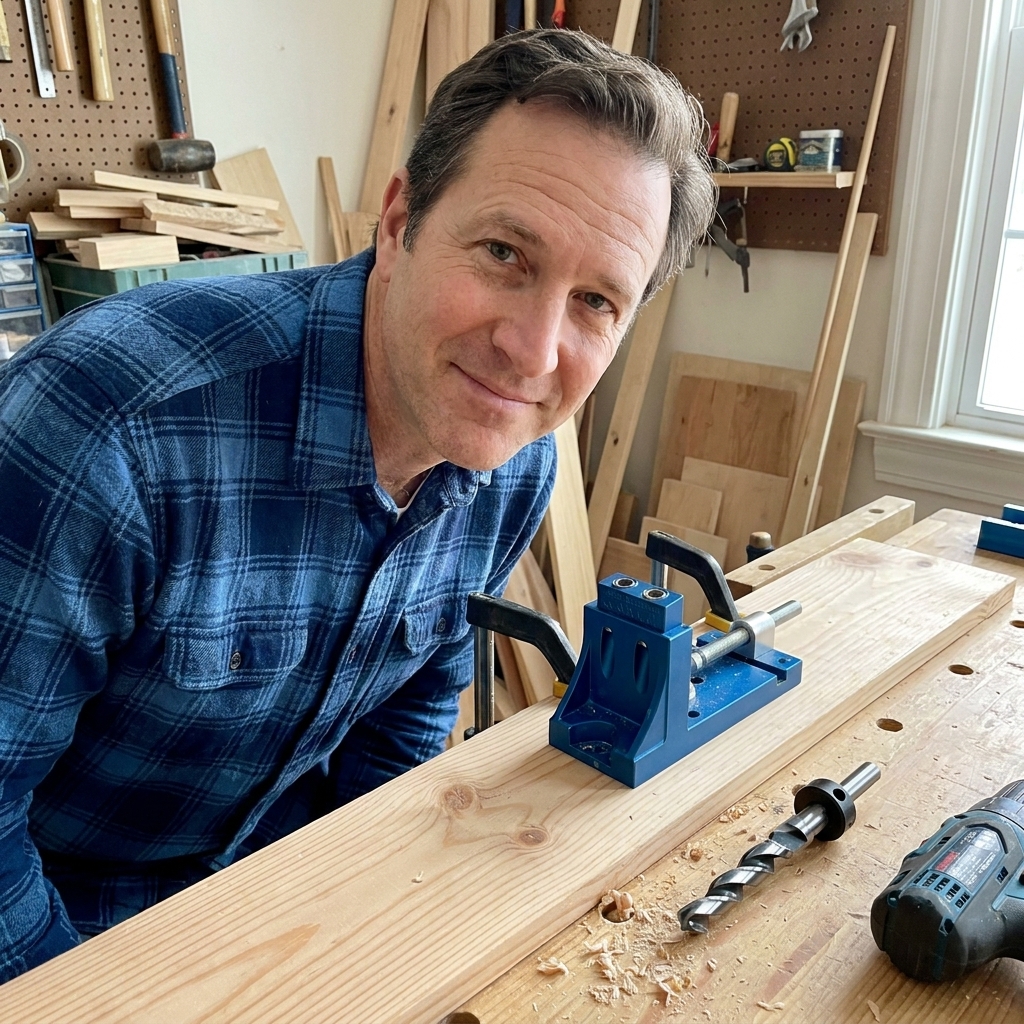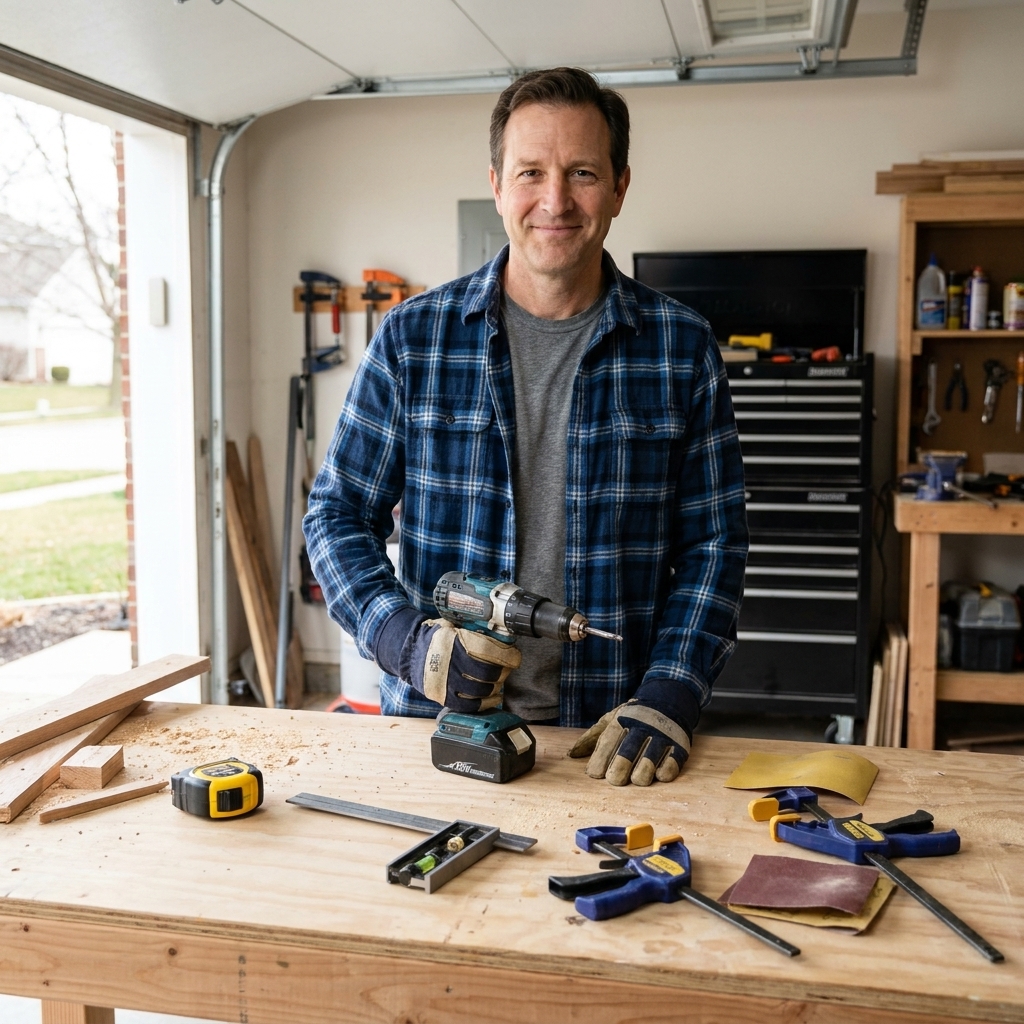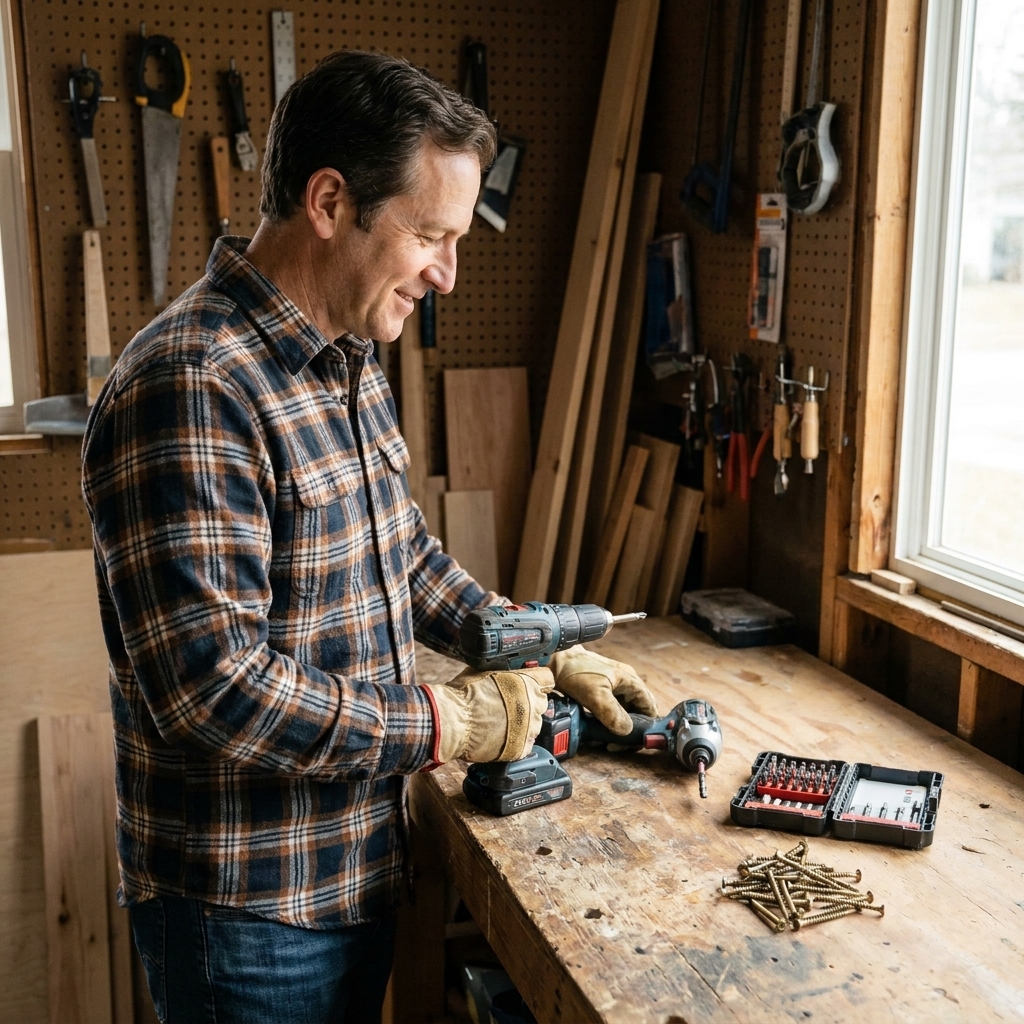
When I first started building furniture on a tiny apartment balcony, I wanted one thing above all: joints that would actually hold, without turning my weekend into a geometry exam. That is exactly why pocket holes and dowels are so popular. They are both “hidden-ish” joinery methods that let you build solid projects without diving straight into mortise-and-tenon.
But they are not interchangeable. One is faster and more forgiving. The other can look cleaner and feel more “fine furniture” when it is done well. Let’s sort out what each method is good at, what it struggles with, and which one I would put in a new woodworker’s hands first.
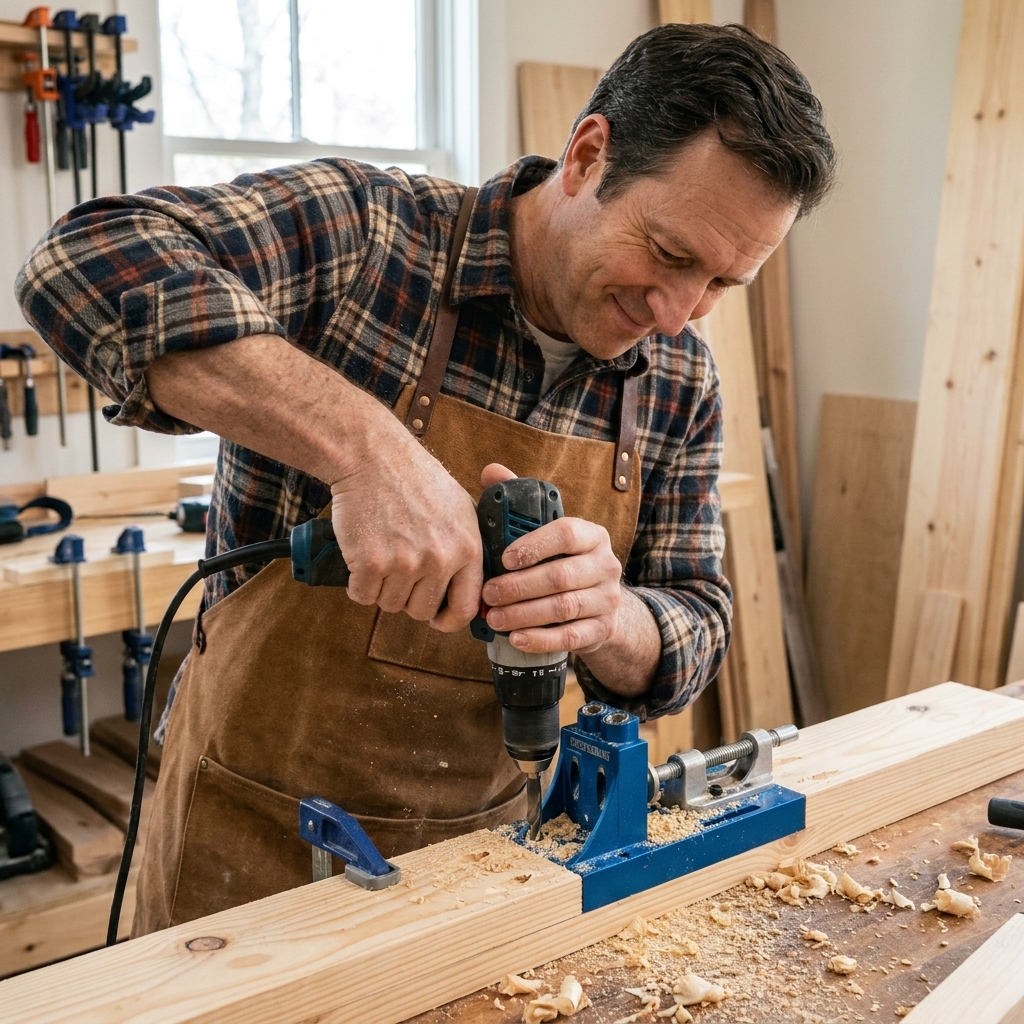
What pocket hole joinery is
Pocket hole joinery uses an angled hole drilled into one board (the “pocket”), then a special screw drives through that hole into the edge or face of the other board. The screw pulls the joint tight, kind of like a built-in clamp.
What you need
- Pocket hole jig (there are small single-hole jigs and larger bench-style jigs)
- Drill and driver bit
- Pocket hole drill bit and stop collar (usually comes with the jig)
- Pocket hole screws (right length and thread type matters)
- Clamps (a face clamp helps a lot)
Where pocket holes shine
- Face frames and cabinet boxes
- Quick furniture builds like nightstands, simple tables, benches
- Repair work where you need strength fast
- Fast assembly because the screw provides most of the clamping force
What dowel joinery is
Dowel joinery uses round wooden pins (dowels) glued into matching holes drilled in both pieces. When the holes line up correctly, the dowels act like little alignment pegs plus reinforcement.
What you need
- Dowel jig (or a very careful drilling setup)
- Drill and appropriately sized brad-point bit
- Dowels (fluted dowels are common for glue flow)
- Wood glue
- Clamps for assembly
- Something to mark hole locations accurately (many jigs include indexing pins)
Where dowels shine
- Clean-looking furniture with no visible hardware
- Edge-to-edge panel alignment (often more about alignment than raw strength)
- Chair parts and frames when done carefully
- Projects where you do not want pocket holes on inside faces or undersides
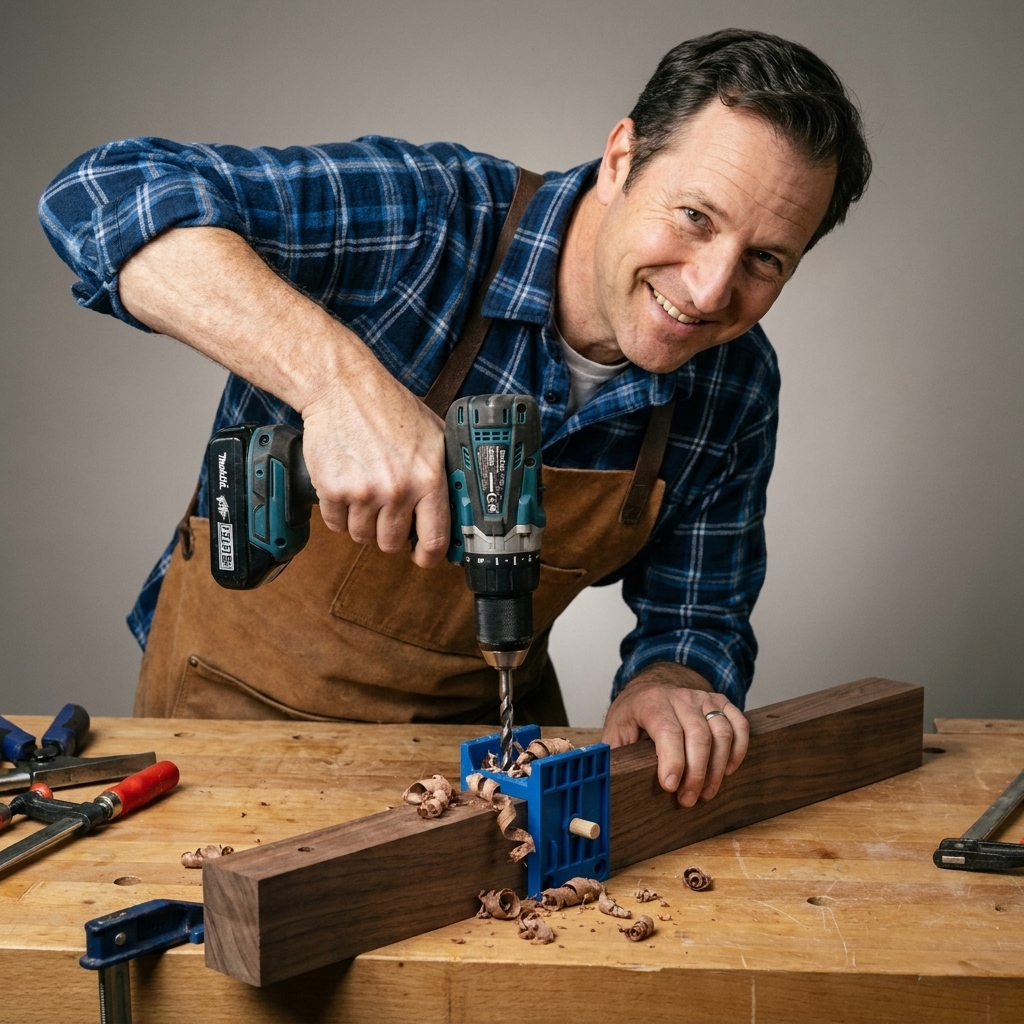
Beginner reality check
Pocket holes feel easier on day one
Pocket holes have a short learning curve. You set the jig for thickness, drill the pocket, clamp the parts, drive the screw. The jig does a lot of the accuracy work for you.
Dowels feel simple, but demand accuracy
Dowels are not complicated in concept. The challenge is that both boards need holes that line up in location, spacing, and depth. Being off by even a little can cause:
- misaligned faces
- gaps you cannot clamp out
- twist in frames
- a joint that will not seat fully
With a good dowel jig, dowels become very doable. Without one, they can get frustrating fast.
Strength
Both can be plenty strong for most home projects. The “stronger” choice depends on the direction of force, the material, and how well the joint is made.
Pocket holes: strong for frames and boxes
- The screw provides clamping and holding power right away.
- In softer woods, screws can strip if overdriven.
- In plywood, pocket holes can be very strong with the right screw type and careful driving so you do not blow out a veneer.
One practical caveat: pocket holes can be more likely to loosen under racking (side-to-side wobble) than traditional joinery. For tables and bases, smart joint design helps a lot, like adding an apron, corner blocks, or a stretcher so the screws are not doing all the anti-wobble work by themselves.
Dowels: strong glue joint when drilled well
- Dowels can create a very rigid joint by adding glued surface area and a little mechanical interlock in a properly sized hole.
- The dowel itself has some end grain in the mix, so the magic is not “end grain glue strength.” It is the overall fit, surface area, and alignment.
- If your holes are sloppy, too big, or misaligned, strength drops quickly.
- Because it is glue-based, clamp time and glue coverage matter.
My simple take: for a basic table base or cabinet carcass, pocket holes are reliably strong and forgiving. For furniture where you want a clean exterior and a stiff, glue-based joint, dowels can be excellent if you can drill accurately.
Looks
Dowels win for truly hidden joinery
Once assembled, a dowel joint can be completely invisible from the outside. That is a big deal on legs, aprons, and clean modern designs.
Pocket holes are hidden, but still visible inside
Pocket holes are usually placed on inside faces or undersides, so they are hidden from normal viewing angles, but they are still holes. You can plug them with pocket hole plugs and sand flush, but on a nice hardwood piece, those plugs can still show if you are looking.
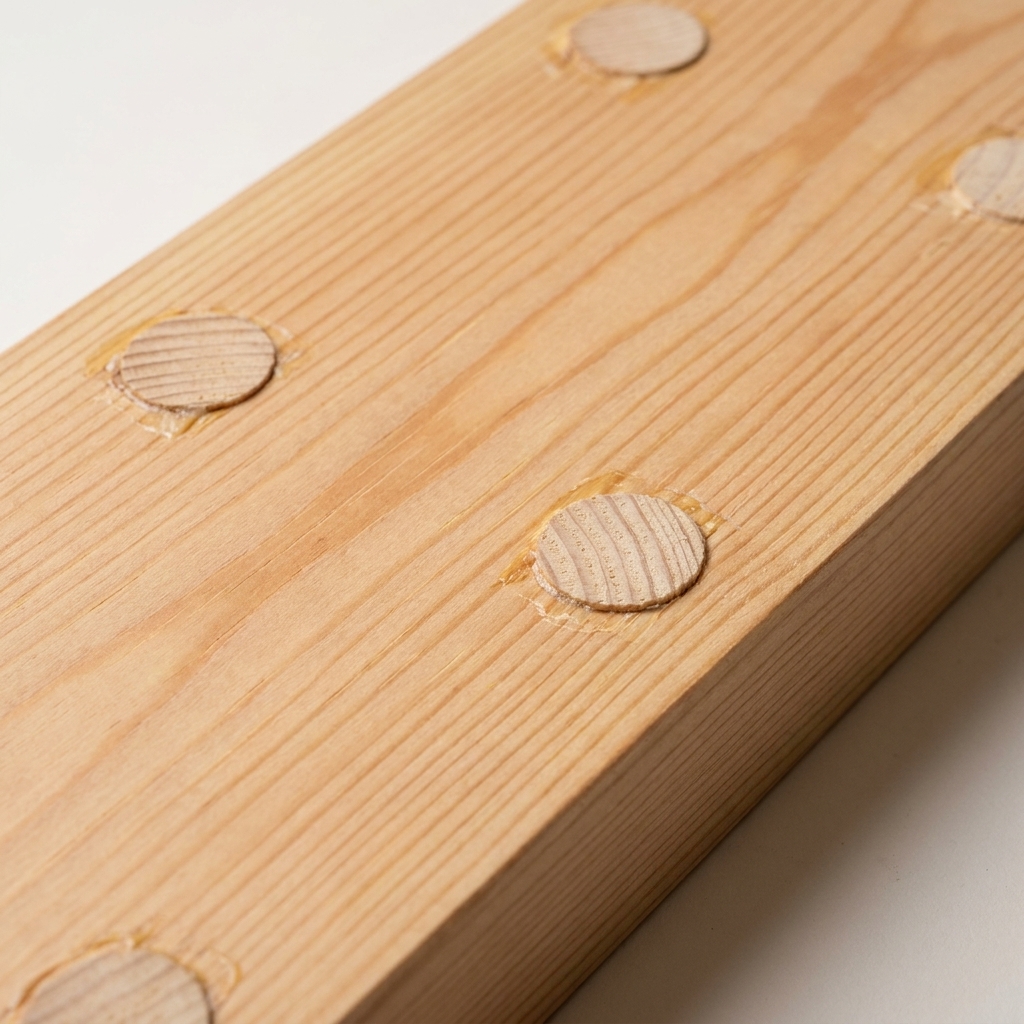
Speed
Pocket holes are faster for most people
- No waiting for glue to cure before handling (though glue can still be used).
- Less clamping time.
- Easier to adjust on the fly.
Dowels take longer due to layout and glue-up
- You drill matching holes in both parts.
- You do a dry fit (you should, anyway).
- You glue, assemble, clamp, and wait.
If you only get a couple of hours in the garage after dinner, pocket holes often keep momentum going.
Cost and tools
Pocket holes
- Upfront: pocket hole jig ranges from budget to premium.
- Ongoing: pocket hole screws and occasional replacement bits.
- Nice bonus: many jigs work well even if your drill is not top-tier.
Dowels
- Upfront: a good dowel jig can cost as much as a pocket hole jig.
- Ongoing: dowels and glue (usually inexpensive).
- Hidden cost: you may buy extra bits and depth stops, and you will want clamps.
If you are building cabinets or shop furniture, pocket holes often pay for themselves quickly. If you are aiming at cleaner “living room furniture” from the start, dowels can be a smart investment.
Mistakes and fixes
Pocket hole mistakes
- Using the wrong screw length: too long can poke through, too short can be weak. Fix: use a screw chart for your jig and material thickness.
- Not clamping parts during driving: the joint can creep and misalign. Fix: clamp the joint, especially face-to-face connections.
- Overdriving and stripping: common in pine. Fix: lower drill clutch, stop as soon as the joint closes.
- Pocket holes placed where they show: fix: plan inside faces, undersides, or use plugs intentionally.
Dowel mistakes
- Holes not aligned: leads to steps and gaps. Fix: use a dowel jig with solid registration, and mark reference faces with a pencil triangle.
- Drilling too deep or too shallow: can bottom out or starve glue space. Fix: set a depth stop and test on scrap first.
- Too much glue (hydraulic lock): the dowel cannot seat. Fix: fluted dowels help, put glue in the hole and a light coat on the dowel, and leave a little room so air and excess glue can escape.
- Skipping clamps: glue joints need pressure. Fix: clamp lightly but firmly and check for square.
Best uses by project
Pick pocket holes for
- Cabinet boxes and face frames
- Built-ins and closet organizers
- Shop furniture and garage storage
- Quick tables, benches, and utility projects
- Plywood projects where you want speed
Pick dowels for
- Table aprons to legs when you want clean exterior faces
- Simple bed frames and rails (with a solid plan and good clamping)
- Picture frames and small furniture where hardware would look out of place
- Panel glue-ups where you mainly want alignment help
Safety and wood movement
Quick safety habits
- Clamp the workpiece and the jig. Do not try to hold a board in one hand while drilling with the other.
- Wear eye protection and keep fingers clear of the drill path, especially when the bit exits.
- Back up thin stock to reduce blowout.
Do not fight seasonal movement
Pocket holes and dowels can make strong joints, but they do not magically solve wood movement. On wide solid-wood panels (like a tabletop), you still need a plan that lets the top expand and contract, like figure-eight fasteners, Z-clips, or elongated holes in tabletop fasteners. Forcing a wide top to stay rigidly fixed across the grain is how splits happen.
If you want a step up
Once you outgrow the basics, a few “next level” options are worth knowing about:
- Confirmat screws are a common alternative for plywood cabinets, especially in melamine or particleboard, because they are designed for that material.
- Loose tenons (like Festool Domino style joinery) feel like dowels with training wheels and can be extremely fast and accurate, but the tool investment is bigger.
- Corner blocks and braces are simple add-ons that dramatically improve racking resistance in tables and bases, no matter which joint you choose.
Which is better to start with?
If you want my honest, beginner-first answer:
- If your priority is building confidence fast: start with pocket holes. You will finish more projects, learn measuring and squaring, and get strong results with basic tools.
- If your priority is clean, hardware-free furniture: learn dowels next. With a good jig and some scrap practice, dowels open the door to a more “finished furniture” look without complicated joinery.
And you do not have to pick just one. In my shop, I use pocket holes for cabinets and hidden structural connections, and I use dowels when I want the outside to look uninterrupted and intentional.
My first weekend plan
If you are standing in the aisle trying to decide what to learn first, here is a simple path that works for a lot of new woodworkers:
- Buy or borrow a pocket hole jig and build a small shop stand or a basic side table.
- Practice dowels on scrap until you can line up two boards flush three times in a row.
- Build one project that uses both, like a small cabinet: pocket holes for the carcass, dowels for a visible face frame or leg assembly.
You will learn a ton, and you will end up with something you can actually use.
FAQ
Are pocket holes strong enough for a table?
For many small tables, yes, especially when the base is designed to resist racking and you clamp while driving. For heavy dining tables or anything that will see a lot of side-to-side stress, dowels or other joinery can be a better long-term choice. If you do use pocket holes, add help, like corner blocks or stretchers.
Do I need to use glue with pocket hole joints?
Not always. The screws provide mechanical strength. That said, adding glue can reduce squeaks and add stiffness, especially on face-to-face joints. Just make sure your parts are clamped and aligned before you drive the screws.
Are dowels hard without a jig?
They can be. A dowel jig is what turns dowels from fiddly into repeatable. If you are serious about dowels, a jig is worth it.
Which is better in plywood?
Pocket holes are very commonly used for plywood cabinets and boxes because they are fast and strong. Dowels can work in plywood too, but you need clean holes and enough thickness so you are not drilling into voids or blowing out thin plies.