
Welcome to Beginner Wood. I’m Mark Halden, and if you’re here because woodworking feels exciting and a little intimidating, you’re in the right place.
I’m a self-taught woodworker and DIYer who learned the hard way: one wobbly shelf, one wrong cut, and one “well, that didn’t work” moment at a time. The good news is that those moments are not signs you should quit. They’re just part of learning to build with wood.
How I got started
My woodworking journey began out of necessity. When I moved into my first apartment, I wanted solid wood furniture that would actually last, but my budget said otherwise. I didn’t have a fancy shop, and I definitely didn’t have a wall full of tools. What I did have was a basic drill, a hand saw, and the stubborn belief that I could figure it out.
That was enough to get moving. I started building small stuff first: simple crates, basic shelves, anything that could help me get organized without spending a fortune. Most of it happened on my tiny apartment balcony, which meant every step had to be practical and every mess had to be manageable. If you’re working in a small space right now, I get it.
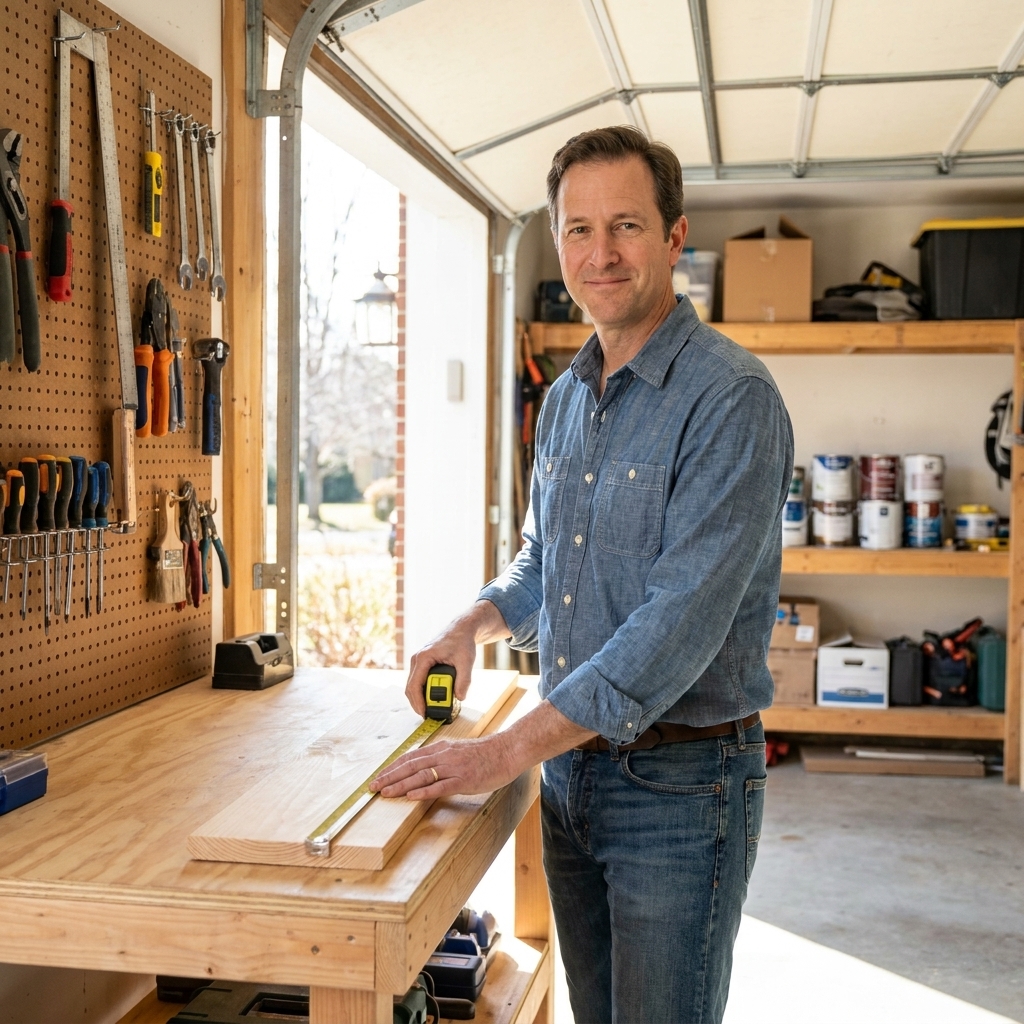
Over time, I kept learning through trial and error and a lot of hands-on practice. Eventually I upgraded to a modest two-car garage shop, but my approach has stayed the same: keep it simple, keep it safe, and build things that are genuinely useful.
Why Beginner Wood exists
Woodworking can feel like a club you need to “earn” your way into. The internet is full of perfect dovetails, pricey tool setups, and projects that assume you already know what you’re doing. That’s great for some folks, but it can also make beginners feel like they’re already behind.
Beginner Wood is here to lower the barrier to entry.
My goal is to help you build confidence, not just projects. I want you to look at a stack of boards and think, “I can make something out of that,” even if you’re starting with a small tool kit and a corner of a garage or apartment.
What you’ll find here
Everything on Beginner Wood is written the way I wish someone had explained it to me when I was starting out: clear, calm, and focused on what actually matters. No jargon, no showboating, and no assuming you own a full workshop.
Beginner-friendly projects
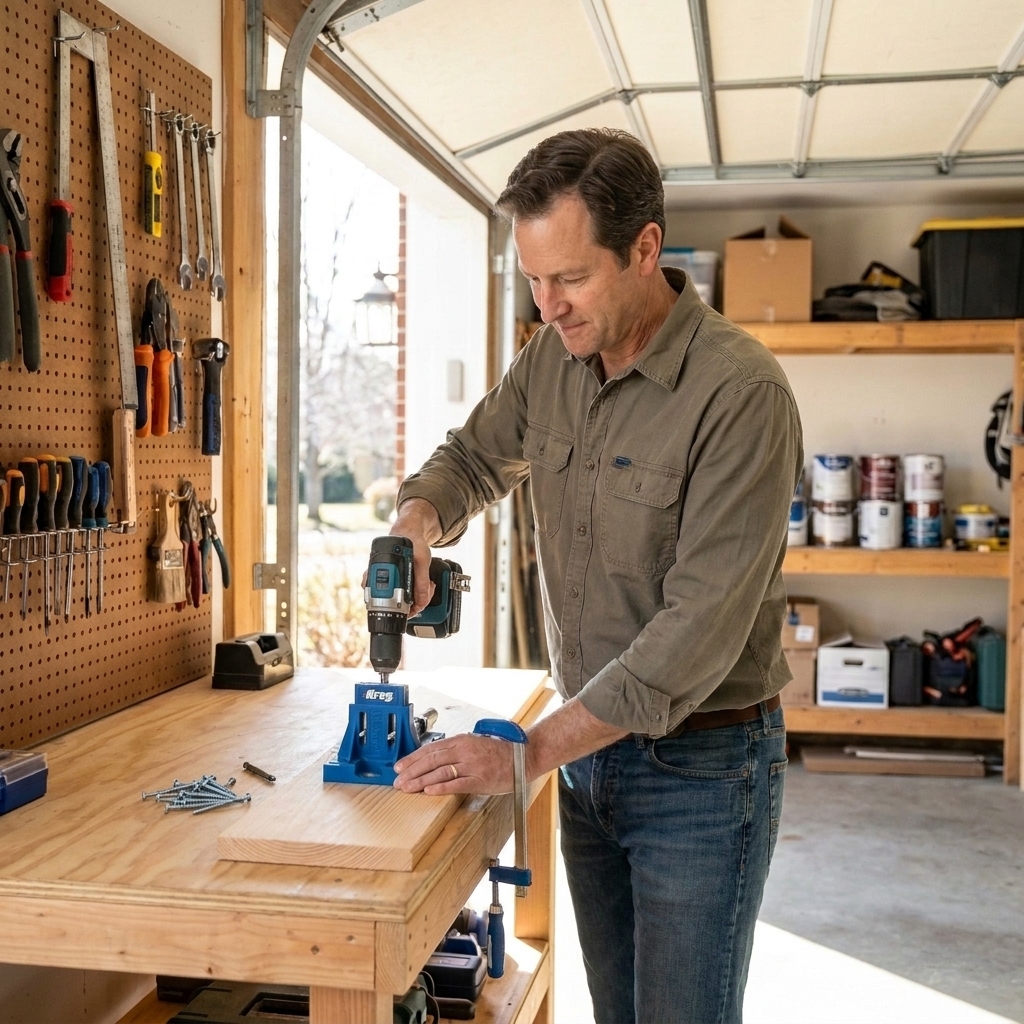
Expect step-by-step builds that focus on sturdy results and repeatable methods. Think small tables, shelves, simple storage, and practical home projects. I lean toward beginner-friendly joinery, especially pocket-hole joinery, because it’s approachable, forgiving, and plenty strong for many beginner furniture and cabinet-style projects when it’s done right.
Tool tips for small budgets
You don’t need every tool. You need a few reliable ones and the know-how to use them safely. I’ll help you understand what to buy first, what can wait, and how to get clean results with simple setups.
Sanding and finishing
If sanding feels endless or finishing feels scary, you’re not alone. I focus on basic sanding techniques and simple finishes that look good in real life, not just under perfect lighting.
How I teach
I’m not here to make woodworking seem complicated. I’m here to make it doable.
- One cut at a time. You don’t have to learn everything today. You just have to take the next clear step.
- Mistakes are normal. If you mess up a board, you didn’t fail. You learned something, and wood is wonderfully forgiving.
- Simple can be beautiful. Clean lines, solid construction, and a smooth finish will take you far.
- Confidence comes from reps. Your second project will be better than your first. Your fifth will surprise you.
- Safety is part of the build. I’m big on eye and ear protection, dust control, and slowing down when something feels off.
A little more about me
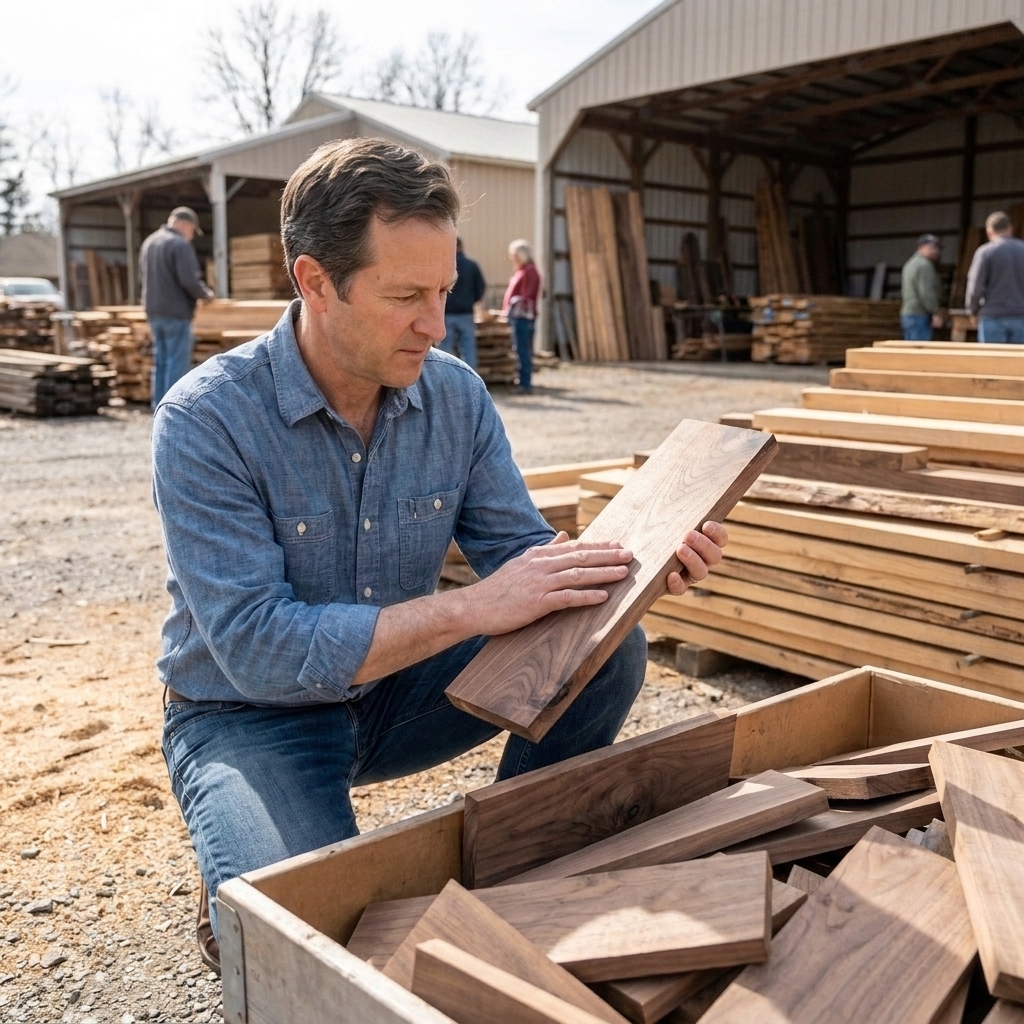
When I’m not in the shop, I’m usually hiking with my rescue dog, stopping at local lumber yards to dig through offcuts, or sketching out my next weekend project over a strong cup of coffee. I love the feeling of turning “scrap” into something useful, and I’m always chasing that sweet spot where a project is simple enough to start, but satisfying enough to finish.
Start here
If you’re brand new, here’s what I want you to know before you even pick up a saw: you don’t need perfection. You need a plan, a safe setup, and the willingness to learn as you go.
If you want a simple path, start with these basics: a small starter tool list, safety and shop setup, how to choose straight boards at the store, and one quick weekend project like a shelf or a small side table.
Take a look around Beginner Wood, choose one small project, and commit to finishing it. When you’re done, you’ll have more than a shelf or a little table. You’ll have proof that you can build.
Thanks for being here. I’m glad you found your way to the workbench.