If you have ever watched someone glue up a tabletop and everything lines up like it was rehearsed, there is a decent chance a biscuit joiner was involved. Biscuit joinery gets talked about like it is a “secret weapon,” especially for panels and cabinets. The truth is a little less dramatic, and honestly, that is good news for beginners.
A biscuit joiner can be a helpful tool, but it is not a must-have to start building solid projects. In most beginner shops, it lands in the “nice to have later” category unless you are specifically planning to do a lot of panel glue-ups or cabinet work.
What a biscuit joiner does
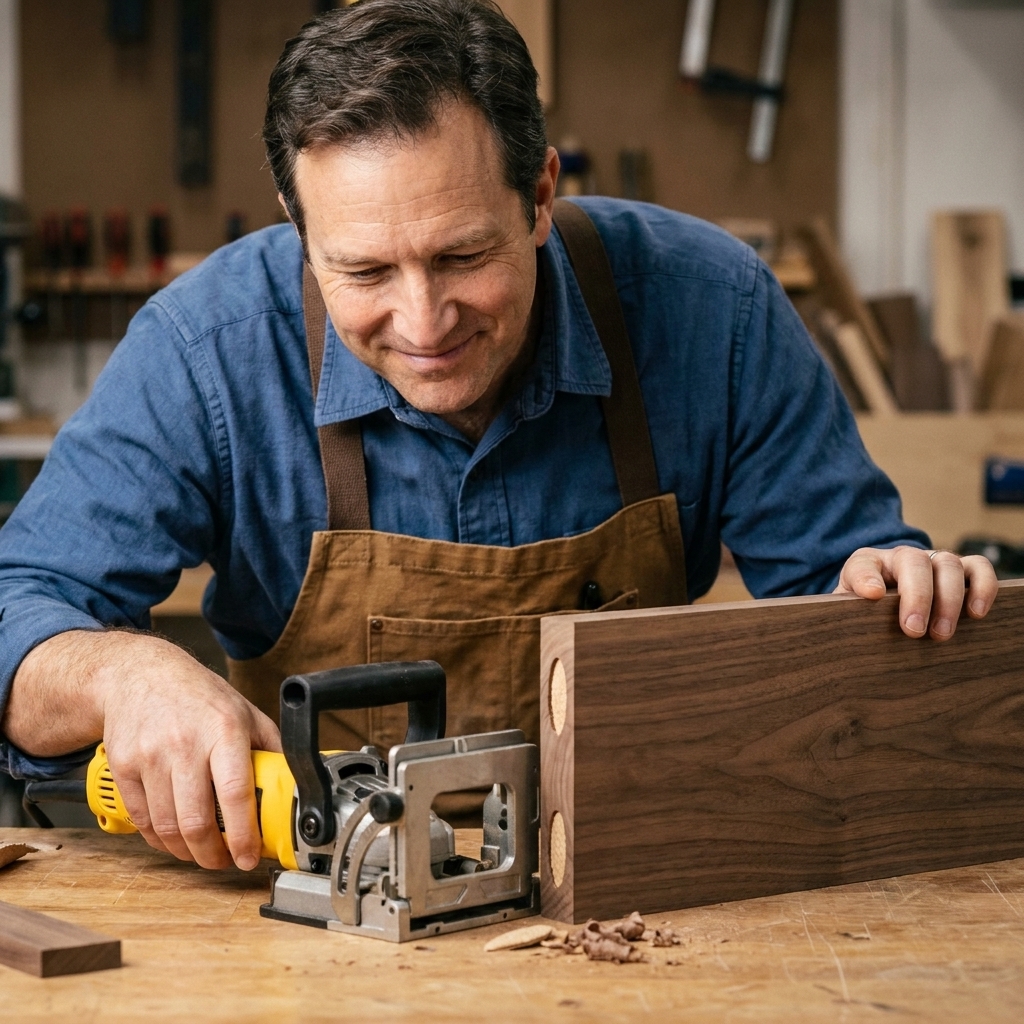
A biscuit joiner is a handheld power tool that cuts a shallow oval slot into the edge or face of a board. When that slot is on the edge of a board, it looks like a little crescent. You then glue a compressed wood “biscuit” into the slot. Cut a matching slot in the mating piece, and the biscuit helps the two parts register together.
The key word here is register. Biscuits are mainly about alignment, not raw strength.
The simple way to picture it
- Biscuits help keep two boards flush during glue-up so you are not fighting slippery glue and uneven edges.
- They add a little extra glue surface, which can help in some situations, but they are not a replacement for real structural joinery.
- They help with positioning when you are assembling cabinets or frames and you want repeatable locations.
When a biscuit gets wet from glue, it swells slightly. That swelling helps it grab the slot, which is part of why they feel reassuring during assembly.
Biscuit sizes made simple
You will usually see three common biscuit sizes: #0, #10, and #20. Bigger numbers are longer biscuits. As a rough beginner guide, use #0 for thinner or narrow parts, #10 for medium stock, and #20 for typical 3/4 inch material. The goal is simple: pick the biggest biscuit that still leaves plenty of wood around the slot so you do not weaken the part.
What biscuits are good at
Great for alignment
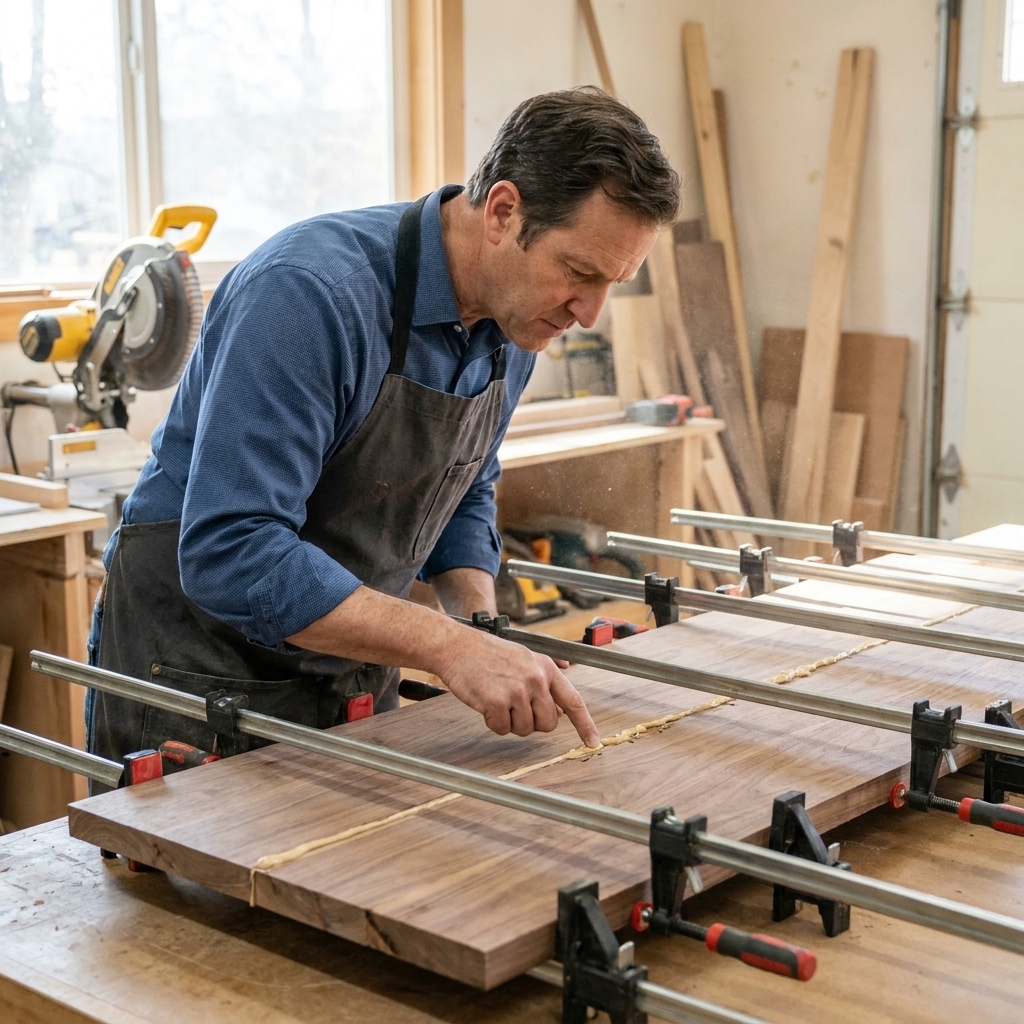
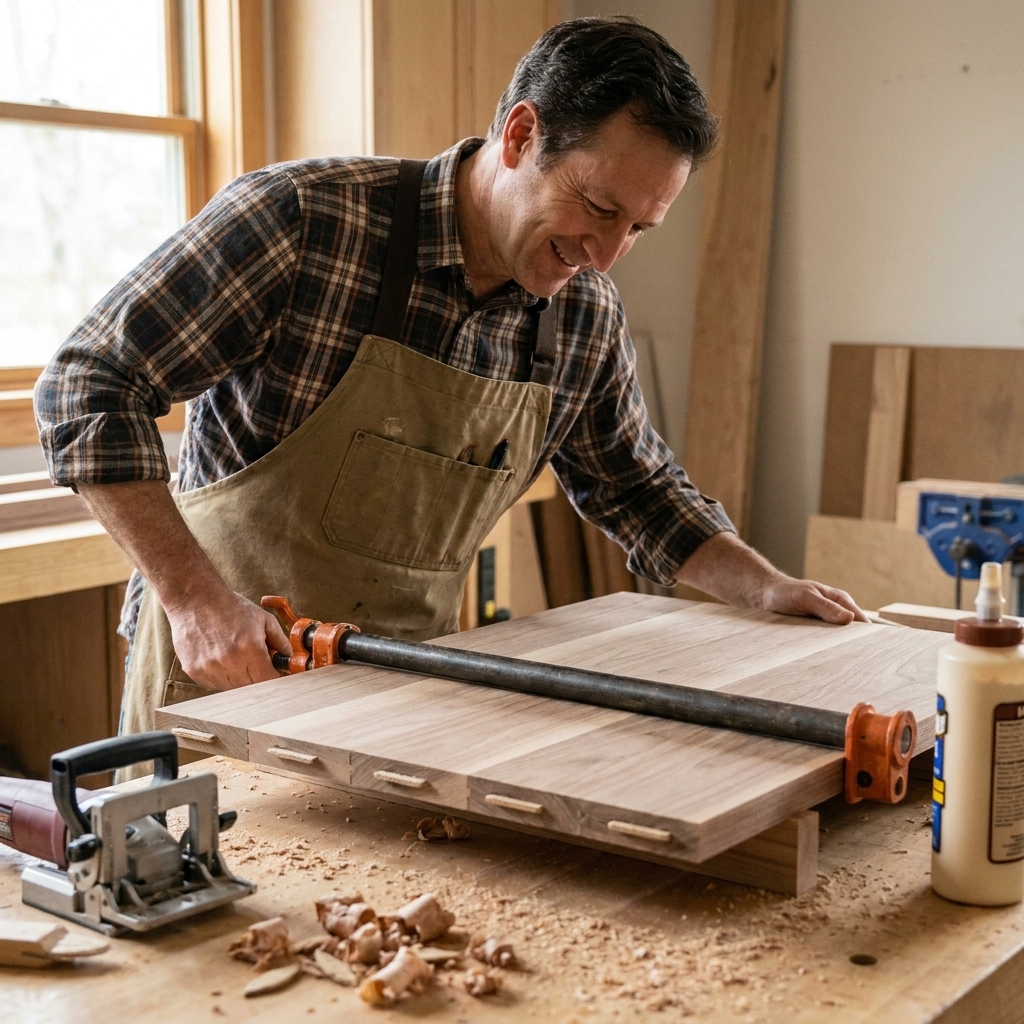
On a tabletop glue-up, biscuits can reduce the dreaded “lippage,” where one board sits a hair higher than the next. If you do not have a jointer, or your edges are not absolutely perfect, biscuits can make assembly less stressful.
Not a strength upgrade like mortise-and-tenon
For edge-to-edge panel glue-ups, the glue line is already very strong if the edges are straight and you clamp correctly. In many cases, biscuits add convenience more than they add strength.
For joints that handle racking forces, like chair legs, table bases, or anything you might lean on hard, biscuits are usually the wrong tool. Pocket screws, dowels, mortise-and-tenon, or loose tenons make more sense depending on the project. Biscuits also do not shine in end grain, where there is not much long-grain glue surface to work with.
How they can go wrong
Biscuits are generally low-risk in normal panel glue-ups, but they can cause problems when the stock is thin or narrow. If you cut slots too close to an edge, you can blow out the side of a board or leave a thin wall that is easy to crack. And if the boards are not milled flat, biscuits can encourage you to force parts into alignment in a way that locks in a slight twist.
Beginner projects where biscuits help
If you are going to get real value out of a biscuit joiner, it usually shows up in these situations.
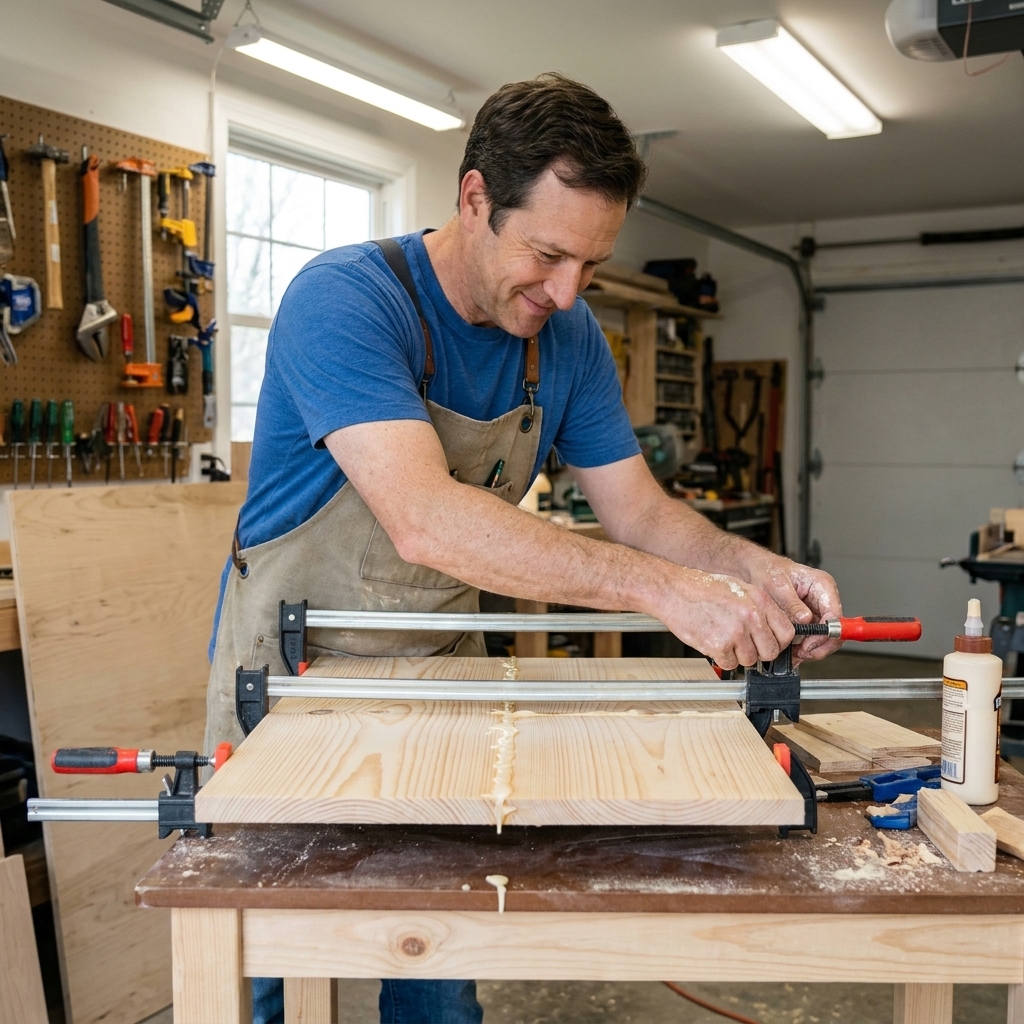
1) Tabletop and panel glue-ups
Think dining table tops, desk tops, bench seats, and wide shelves made from multiple boards.
- Biscuits help keep boards from sliding up and down during clamp-up.
- They can reduce how much flattening you have to do later, but they do not guarantee a dead-flat panel. Milling and clamping strategy still matter most.
2) Cabinet case alignment
Biscuits are handy for aligning plywood cabinet parts during assembly, especially when you are working alone.
- They can act like built-in locating pins.
- You can dry-fit parts quickly before glue.
3) Face frames and trim alignment
Biscuits can work for face frames, but this is where beginners should be picky. Many face-frame parts are fairly narrow, and it is easy to cut too close to the edge. If your rails and stiles are on the slim side, dowels or pocket screws are often simpler and more forgiving.
4) Miters that need help staying put
Biscuits can reinforce and align miters in things like simple picture frames or small boxes, especially when clamping miters feels like wrestling an octopus.
Pros and cons for beginners
Pros
- Faster glue-ups with less slipping: Biscuits give you a “click into place” feel during assembly.
- Beginner-friendly accuracy: You do not need a drill press or complex setups to get repeatable results.
- Great for plywood cabinets: Especially if you are building basic shop cabinets or a utility kitchen layout.
- Not a huge learning curve: A few test cuts on scrap and you are in business.
Cons
- It is another tool to buy and store: And it is a single-purpose tool for many shops.
- It does not replace good milling: If your boards are warped or your edges are not straight, biscuits will not magically fix that.
- Dust can be messy: They throw chips, and some tools can clog in certain woods without decent extraction. A shop vac and a sharp cutter help a lot.
- Not the best strength-to-effort option: For many beginner projects, pocket-hole joinery or screws and glue are more practical.
When it is worth it
If you are a beginner, here is a simple decision guide I wish I had when I was building furniture on my tiny balcony years ago.
Buy one sooner if
- You plan to make multiple tabletops, panels, or wide shelves this year.
- You want to build kitchen cabinets, garage cabinets, or built-ins.
- You often work alone and want easier dry-fitting and alignment.
Wait or skip if
- You mostly build with 2x lumber and simple butt joints.
- You rely on pocket holes for cabinets and frames and are happy with the results.
- Your next projects are things like workbenches, outdoor planters, basic shelving, or shop jigs.
- You would get more benefit from upgrading clamps, a better blade, or a sander first.
Alternatives beginners often like
Pocket-hole joinery
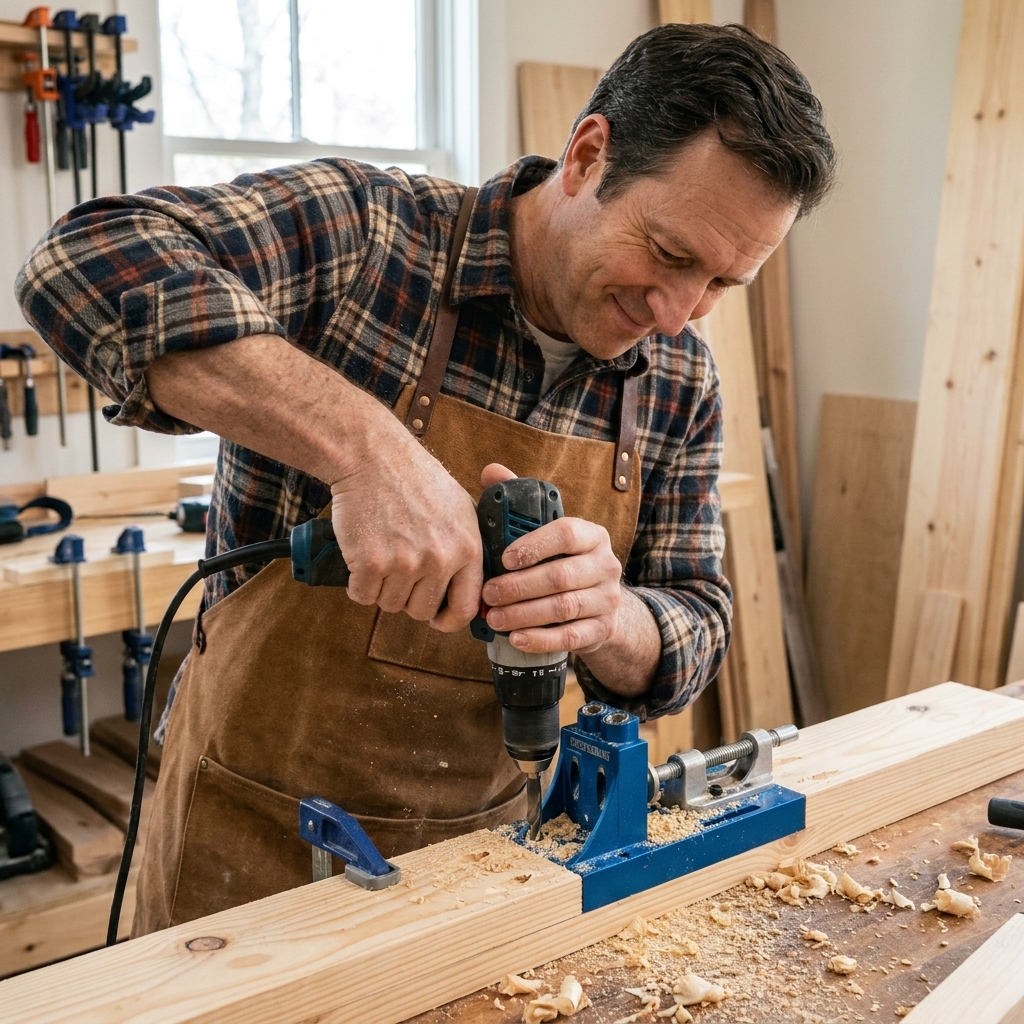
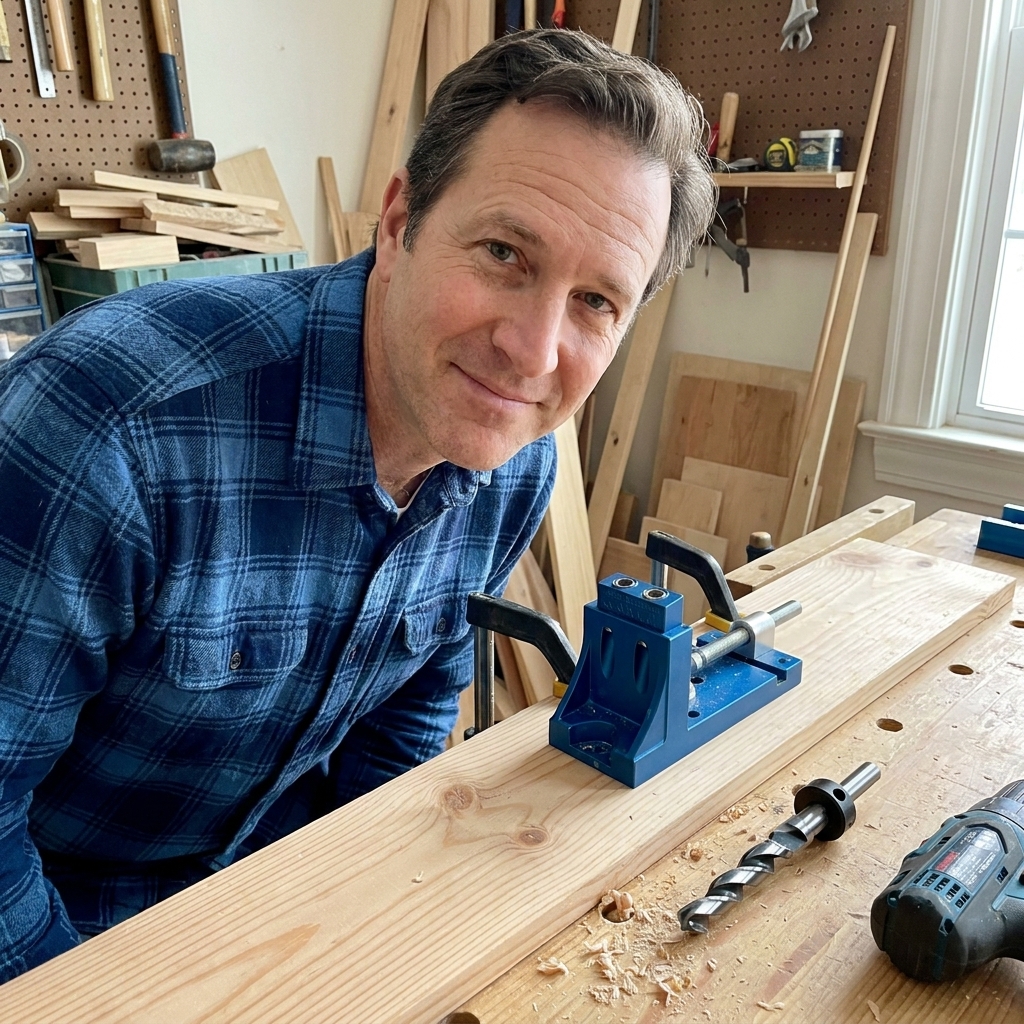
For beginners building furniture frames, boxes, and cabinets, pocket holes are hard to beat for speed and cost. They do not help with panel alignment the same way, but they are incredibly useful for assembling projects.
Dowels
Dowels can do alignment and strength, but the learning curve depends on your setup. With a simple doweling jig, you can get great results. Without a jig, it can get frustrating fast.
Loose tenons
This is the fancy cousin of biscuit joinery. It is excellent, but usually not beginner-budget friendly.
Cauls and careful clamping
If your main goal is flush panels, you can do a lot with good technique.
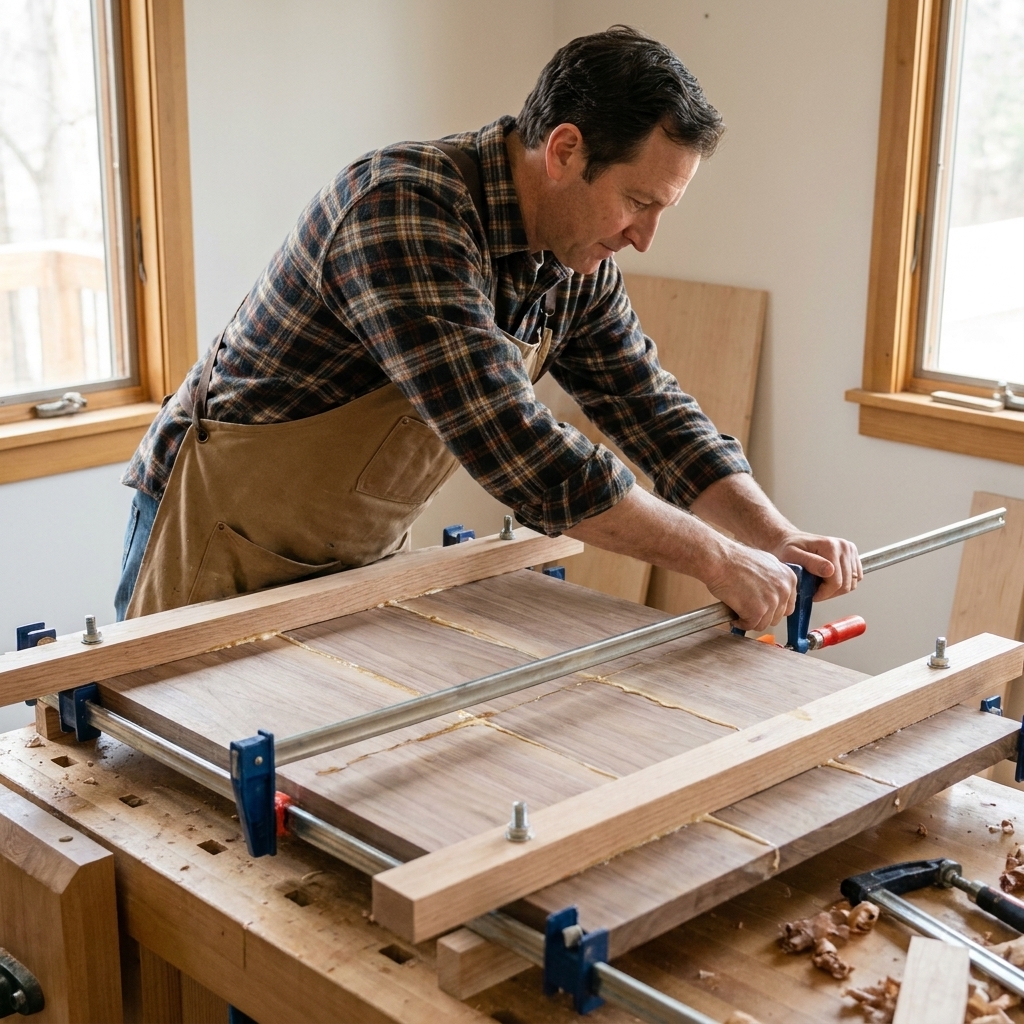
- Use cauls (straight boards wrapped in packing tape) across the panel during glue-up.
- Alternate clamps above and below to reduce bowing.
- Do a dry run before opening the glue bottle.
If you buy one
Practice on scrap first
Spend ten minutes making test cuts. You are dialing in two things: the fence height and how consistently you hold the tool flat.
Mark from the same face
Pick a reference face on each board and always mark and cut from that same side. That way, any tiny variations end up on the back, not the show surface.
Do not overdo it
More biscuits does not automatically mean better. For most panel glue-ups, spacing them roughly 6 to 10 inches apart is plenty. Focus on good edge prep and clamp pressure.
Watch edge distance
Stay far enough from the edge that you do not cut through the side. Thin stock and narrow rails are where beginners get into trouble.
Plywood thickness is not what it says
Nominal 3/4 inch plywood is often closer to about 18 mm. Before you go to town on cabinet parts, cut a test slot in scrap and make sure your depth setting will not telegraph through the veneer.
Use dust collection
Most biscuit joiners cut cleaner with a shop vac attached, and some models can clog when chips cannot escape. A sharp blade makes a bigger difference than people expect.
Basic safety
Clamp or secure your workpiece, keep your hands clear of the cutter path, and let the blade come to a full stop before setting the tool down. Eye and hearing protection are a good idea here.
Quick FAQ
Do biscuits make a tabletop stronger?
Usually not in a meaningful way. A properly glued edge joint is already extremely strong. Biscuits mainly help keep boards aligned during glue-up.
Can a biscuit joiner replace clamps?
No. You still need clamps to pull joints tight and keep the panel flat while the glue cures.
Are biscuits good for plywood?
Yes, especially for cabinet assembly and alignment. Just be mindful of actual plywood thickness and your depth setting so you do not cut through the face veneer.
What is the biggest beginner mistake?
Expecting biscuits to fix crooked or warped boards. If the edges are not straight, the panel will still fight you. Biscuits do not replace basic stock prep.
So, is it worth it?
For most beginners, a biscuit joiner is not a necessary first purchase. If you are building shelves, small tables, shop projects, and simple furniture, you can do a lot with pocket holes, screws, glue, and solid clamping technique.
But if you are getting into wide panel glue-ups or cabinet builds, a biscuit joiner can absolutely be worth it because it makes the hardest part easier: keeping everything aligned while the glue tries to turn your boards into a slip-and-slide.
If you are on the fence, my honest recommendation is this: put the money toward clamps and a decent blade first. Then, when you start building larger panels regularly, the biscuit joiner starts to feel like a tool that earns its shelf space.